Be Here Now– photo by Harald Lepisk courtesy of pixabay.com
Dr. Rochelle Walensky, chief of infectious diseases at Massachusetts General Hospital, said on Monday that “We are in free fall” but she wasn’t referring to Massachusetts, one of the few states with stable or declining new case numbers. She was referring to pictures of people on the beach over the weekend. Dr. Peter Hotez, dean of the National School of Tropical Medicine at the Baylor College of Medicine in Houston, said “free fall” was accurate for Texas.
The New York Times daily case counts for Florida show newly reported COVID-19 cases roughly doubled between June 24 and July 4. Idaho’s case counts have doubled, from 219 on June 25 (with a rolling 7-day average of 161) to 368 on July 5 (7-day average: 322) and 423 (7-day average: 350) on July 6. For Texas, the 7-day rolling average quadrupled from 1607 on June 5 to 6814 on July 5, and 9181 new cases were reported for July 6.
Numerous public testing sites have recently closed, either temporarily or permanently. The site at Los Angeles’ Dodger Stadium was closed for four days over the Independence Day holiday weekend, but is expected to re-open today (July 7.) Appointments for tests today are already fully booked, so if you call, you might get an appointment for tomorrow or Thursday. This site will be able to run 6,500 tests a day (up from 6000 last week), half of Los Angeles County’s public testing. Closures at some public testing sites will dramatically reduce daily case counts in their areas because they represent such a large proportion of overall tests in that area.
Those testing sites that have not closed are overwhelmed and have repeatedly run out of supplies with which to perform tests. (One thing that might help with supplies is to switch to a saliva test, where you just spit into a vial. No swab, no technician, and no intrusive deep intranasal swabbing is required. The saliva test could be sent out and returned via mail, to be done in the home. The saliva test is being evaluated in Southampton, United Kingdom currently. Tests have shown the saliva test is not quite as sensitive as the swab, but this could be improved by “hacking” and coughing, and running your tongue around your mouth to collect cheek cells.)
The alternative to a public site (which is often free) is for an individual to visit their doctor for a written order to test, which can then be carried out by a lab– assuming that the lab has the needed supplies. When performing a test under a doctor’s order, the patient will have to pay something, either out of pocket or with the help of an insurance company. The test itself is reimbursed up to $100 by Medicare and Medicaid (cms.gov, April 15); it’s supposed to be free to the patient under the new law. Private insurers probably pay more, and cash patients may pay $229, according to one web site.
For example (npr.org), a 25 year old woman who on March 11 visited her primary care physician with a persistent sore throat (a common and not particularly serious complaint, except that she had lupus) under her Aetna insurance was charged $2.121 (of which she was responsible for $536.46.) She was tested for more than a dozen respiratory diseases. She was positive for influenza B, so the lab did not run a test for SARS-COV-2. On her doctor’s advice, however, she had a test done ten days later at a drive-thru site; the doctor reasoned that people could be co-infected with both SARS-COV-2 and influenza B. She was negative for SARS-COV-2, the causative agent for COVID-19, and the test was free.
The federal government passed a law in March making coronavirus tests and some other associated care available at no cost to the patient (although insurance companies are on the hook) but this patient visited her health care provider before the law went into effect. Her insurer, however, had already promised to provide the test at no patient fee. Because of the limited availability of the test at that time, patients were required to have other conditions ruled out before running the COVID-19 test. After being notified by a reporter of the circumstances surrounding the case, Aetna waived the patient’s portion of the bill.
What comes after being tested? If your test is positive, you are supposed to receive a call from a contact tracer. News reports indicate this is not happening in Florida. To be sure, some people are not cooperating when they are contacted; one particularly recalcitrant group received subpoenas. The bottom line, though, is that there are too many new cases for the present group of contact tracers to follow up. This was true a month ago, and even with attempts to hire more people, it is even more true today. This from CNN and WMUR:
“The cases are rising so rapidly, that we cannot even do contact tracing anymore. I don’t see how it’s possible to even do that,” Dr. Peter Hotez, dean of tropical medicine at Baylor College of Medicine, told CNN Monday.
The Republican governor of Florida, Ron DeSantis, who has been criticized in the past for his actions in relation to the coronavirus crisis in his state, said in an interview on July 7, “Contact tracing is not going to be enough”, although he did not give clear indications of what additional measures the state government would take to address the problem. He did say that $138 million has been allocated to the State Department of Health but claimed that individual counties could hire contact tracers with CARES Act funding, so apparently the State would not be doing so. He stated that young people with no symptoms are driving the increased infection rate and that they often didn’t cooperate with contact tracers. He also stated that the virus is transmitted more easily by people talking loudly over music. All these things are true, but he didn’t say how the state government was going to respond to them. There is little or no apparent state-level direction to the fight against the virus in Florida.
(PS: there are many good articles about the novel coronavirus in “The Conversation”, a website that is supported by a number of academic institutions. In “Who We Are”, it states, “The Conversation US arose out of deep-seated concerns for the fading quality of our public discourse – and recognition of the vital role that academic experts can play in the public arena.”)

em coronavirus from NIAID– CC license
This article in the New Yorker is actually “old”– it’s from April 27– but it’s still highly relevant. It was pushed to the back burner by the crush of news about the novel coronavirus, but it seems it’s on the front again with the crisis in Texas, Florida, and elsewhere in the South and West.
I won’t go into all the details of the article, just a quick summary– you should read it yourself if you care about fixing the problems we have in this country. But you should be very pessimistic about the chances for changing anything.
The article explains that there are certain problems that can be fixed. One is the way the system is organized. There is a supply line that has too many choke-points: if one factory’s output is lost, there are no other factories that can make up for the lack of the components that it produces.
Chinese factories made most of the masks that we needed. When they started hoarding them in January because they had to shut down, there was no-one else who could make up for the shortage. Price competition had caused all the competitors to quit making masks and dismantle their production lines.
The National Strategic Stockpile was supposed to have a lot of masks. It was depleted during the last crisis, and when the Obama administration requested the money to replenish it, they were turned down by Congress. When the new administration came in, the Stockpile had only some old masks that had deteriorated over the years to the point where the elastic bands broke when they were put on.
These old masks were not replaced. The new administration wasn’t interested in replenishing the stockpile because they didn’t realize that another pandemic was coming and didn’t think they needed to spend the money.
The information systems that support clinical medicine are broken. Electronic health records were supposed to revolutionize medicine, but instead, they have become separate islands with no method for intercommunication between hospitals or between doctors.
The records are used for billing insurance companies, not for communication of medical findings between providers or coordination of treatment approaches. Instead of helping doctors to advance medicine, they have become another time-consuming headache: filling out charts.
Shortages of specific medicines have been occurring more frequently over the past few years. This is because pharmaceutical companies have shut down production lines for products that are not profitable. Some products were left with only one supplier, and if that one’s production was shut down (for example, by quality control problems) then the product became unavailable.
Business practices that make sense for individual firms– to save money– cause major problems when they are followed by every firm. Tightening up supply chains, with “just in time” manufacturing, leads to sudden shortages when a link in the chain is broken. Squeezing the inefficiencies out of production leads to breakdowns when emergencies occur because all the resiliency is removed from the system.
The same applies to research capabilities. Squeezing all the inefficiencies out of our research programs leads to not having any excess capabilities when emergencies hit. Having enough slack in the system makes it resilient to sudden changes in demand and to having capabilities that are currently unused but might be needed in an emergency. That costs more money, which eats into profits.
My conclusion, even after reading this article, is that there are too many basic deficiencies in the US healthcare system. The most important deficiency, the one at the root of the worst problems, is that the system is entirely dedicated to producing a profit for certain participants– those who invest in producing all the components of health care.
Instead, the system should be geared to producing the most health improvements to the largest number of people (“the greatest good to the greatest number”– Mr. Spock.)
Right now, the investors are the ones who make all the decisions. In order to change all the bad things about the system, it would be necessary to remove the investor. Instead, the US federal government should be the primary payor. All the other components will have to be changed to make this work. That means that the people who are making money off the system the way it is would have to be removed by buying them out.
Only when the profit motive is secondary will there be room to build in excess capabilities that are not currently needed and which cost a little more money.
This is impossible. Too many investors are making money off the backs of the American people. We are paying twice as much as our peers in Europe for health care, and the money is going into the pockets of the people who own insurance companies, hospitals, clinical laboratories, and other expensive parts of the system.
The government would have to buy out all these people– pay them off for their investments. Why should they sell out? They see their way clear to continued profits at the expense of the average American.
The system is crashing. Too much demand for medical care is leading to critical shortages of medicine, providers, and bed space. When the system is unable to provide for the needs of people who have the capability to pay, there will be irresistible demands for change. Even then, the basic profit motive will continue to rule.
The only fair way to remove the profit motive is to have the federal government buy out the system. That will take a revolution, which will only happen when too many people are suffering to hold back the changes that are needed. Revolution will cause even more suffering because there won’t be fair changes– someone will get hurt.
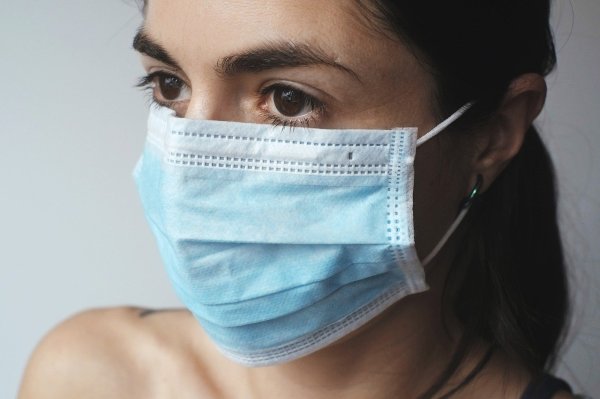
photo by Juraj Varga courtesy of pixabay.com
New cases of coronavirus continue their daily increase (per New York Times live updates) since mid-June, with different organizations reporting different totals but all showing rises. Arizona, California, Florida, and Texas are seeing the greatest increases, with hospitals filling up and intensive care units (ICU) showing the strain. Florida has reported more than 10,000 new cases a day for almost a week. Public testing sites are overwhelmed with patients waiting hours in their cars, only to be turned away when testing supplies run out. Yet the death rate has not increased, and in fact is much lower than two months ago.
Public health officials warn that the death rate could still increase, as the rise in cases dates only to mid-June, and it takes three weeks for death rates to catch up. There are indications, though, that deaths may be lower because younger people are getting infected. In addition, the use of anti-inflammatory steroids like dexamethasone is reducing deaths in seriously ill patients.
Remdesivir is still in short supply, with only 500,000 courses total being distributed by the federal government to the neediest hospitals. When it is used, remdesivir may reduce the death rate (although the study showing a 1/3 reduction in deaths wasn’t big enough to reach statistical significance.) Most of the world’s supply from Gilead was snapped up by the US government, although generic companies are beginning to produce it overseas.
The World Health Organization (WHO) has downplayed the importance of SARS-COV-2 aerosol transmission, insisting that large droplets (produced by coughs and sneezes) are the main vector. According to the New York Times, a group of 239 scientists has written an open letter to WHO pleading for the recognition of aerosols as an important factor. The reason for this: they argue that medical personnel should wear N95 masks whenever they are in the same room with COVID-19 patients; and that air filtering and decontamination for indoor areas where people gather should play a more important role.
The scientists say that WHO’s decision-making is too slow (see also this article from Washington Post on July 5) and conservative to accommodate fast-moving scientific discoveries about the coronavirus. The WHO didn’t endorse the use of face-masks until early June, partly because of a shortage and partly because they didn’t accept the evidence that aerosol transmission was a major factor. They still emphasize hand-washing as a primary preventive measure. They also don’t recognize the fact that asymptomatic patients account for a large proportion of person-to-person transmission events.
WHO has come in for a great deal of criticism, even from its associated scientists, who prefer to remain anonymous to avoid jeopardizing their contracts. The New York Times story reports complaints by scientists about the bureaucratic nature of WHO’s decision-making.
Contact tracing and isolation, procedures that have been so successful in South Korea and some other countries, are lacking in the US. San Francisco has a well-organized program, but they are the exception. States like Florida have not recruited enough contact tracers and the suddenly increased workload has overwhelmed them. Test results are taking too long, frequently from four days to a week, to make contact tracing useful for interrupting chains of transmission.
There is no place to send people for isolation in most states; empty hotel rooms have not been organized, even though they are widely available. Isolating at home is impossible for poor people living in overcrowded conditions. Services like food delivery that make isolation more possible have not been organized either. Forbes has an article on July 5 explaining why ten simple steps to respond to coronavirus may be impossible for poor and elderly people.
Without well-organized contact tracing and isolation procedures, controlling the spread of the coronavirus is next to impossible. It may already be too late for the US to stop the virus.

photo by Manfred Antranias Zimmer courtesy of pixabay.com
In Hindu philosophy, Atman is defined as the Self, that is, the True self, as opposed to a self which is part of some phenomenon of existence such as that of an individual human personality, or an elephant. Depending on one’s position as to duality, the Self is either identical with Brahman (the ultimate reality) (which is called advaita, non-duality, or monism), entirely separate from Brahman (dvaita, duality), or both separate and the same (bhedabheda, dual and non-dual.) The six orthodox schools of Hinduism all agree that there is atman in every living being, human and animal.
To the advaita school of Hinduism, the atman is the same as the brahman. In a sense, this is monotheism; here, Brahman and Vishnu are the same, as are all gods and avatars. Vishnu, the Supreme Being, the Controller of the Entire Universe, Parabrahman, all are one and the same. This includes the trinity (Trimurti) of Vishnu: Brahma (Rajas), creation or passion; Vishnu (Sattva), preservation or goodness; and Shiva (Tamas), destruction or darkness. There are over a thousand names for Vishnu, representing different qualities, but in the advaita school they are all fundamentally the same. Likewise, Vishnu has many avatars, all from the same source.
In the dvaita (dualist) school, Brahman is distinct from atman. This distinction means that one cannot achieve union with Brahman or liberation during one’s lifetime, only after death. Brahman is synonymous with Vishnu but separate from the individual atman of each living soul. The best one can do during one’s lifetime is to reduce the separation to an infinitesimally small distance from Brahman.
Regardless of whether the atman is identical to Brahman or not, the atman is distinct from the ego (what we think of as the individual self.) The atman does not have an individual personality and feels neither pleasure nor pain. It is up to the ego to feel. The ego is referred to as “ahamkara”, which is a combination of “I” and “to do”– meaning that the ego is inseparable from actions. “Aham” is also translated as “spirit” which may be confusing. There is a separate web page in Wikipedia for “ahamkara” and, in one section, it refers to the ways in which a person can become confused when bound up in personal possessions or in philosophies.
The ahamkara is distinct from the atman in the sense that the atman is the real owner of consciousness while the ahamkara is the expression of individuality. This duality (not dvaita, which is different) causes people to misidentify their inner selves with their outer selves, to take their sense of personhood from their possessions, or to mistake their true philosophy as being less important than their defense of their viewpoints. For example, (as described in Wikipedia) a man may buy a sports car and drive like a racer, even though he is not trained as a race car driver. Or a woman may receive a diamond tiara and act like a queen, even though she is not of royal blood.
Another example would be someone who comes to believe in pacifism, goes to a demonstration, and gets in a fight with someone who supports the war. Instead of applying the philosophy of pacifism to their personal life, the person will engage in violence to defend their point of view from counter-demonstrators. Here the general philosophy is confused with the personal commitment.
The ahamkara is an illusion, but it is a necessary place to start on the path to enlightenment. One must cultivate patience and forbearance in order to separate oneself from the manifestations of a turbulent world.
This verse comes from the Bhagavad Gita (4.7-8); it describes how Vishnu creates an avatar and sends it into the world to conquer evil whenever it becomes manifest:
Whenever righteousness wanes and unrighteousness increases I send myself forth.
For the protection of the good and for the destruction of evil,
and for the establishment of righteousness,
I come into being age after age.
The doctrine of “ahimsa” (non-harm to all living beings) is credited to the monistic idea that all living things possess atman in common and thus should not be harmed. It dates to one of the earliest Vedas, the Isha Upanishad, which is thought to have been composed some time in the early part of the first millenium BCE. Wikipedia quotes these verses from the Isha Upanishad (hymns 6-8):
And he who sees everything in his atman, and his atman in everything, does not seek to hide himself from that.
In whom all beings have become one with his own atman, what perplexity, what sorrow, is there when he sees this oneness?
He [the self] pervades all, resplendent, bodiless, woundless, without muscles, pure, untouched by evil; far-seeing, transcendent, self-being, disposing ends through perpetual ages.
The Isha Upanishad predates the Buddha and ahimsa was incorporated into Buddhism.
In Buddhist philosophy, there is no atman. Buddhists call the concept of atman an illusion (“maya”) and state that “nirvana” is that state of bliss achieved when one realizes that there is no self. This was an area of active debate between Buddhists and Hindus in the Vedic period and after. The Hindus believe that “moksha” (liberation) from the cycle of birth and rebirth (whether it is attainable in this life or not until after death) depends on realizing true self-knowledge and self-realization– the understanding that the inner soul is attached to, or part of, the universal soul or Brahman. Buddhists believe that there is no permanent self.
This is another good place to stop. I hope that this gives you some relief from thoughts about the pandemic.

picture by Open Clip Art Vectors courtesy of pixabay.com
The New York Times published a story July 3 that covered four polls investigating the number of people who protested in the US following the George Floyd murder May 25. The four polls estimated that between 6 and 10 percent of the adult American public came out to protest between June 4 and June 22. The four polls were: Kaiser Family Foundation (polled 1296 people, estimated 10% participation between June 8-14), Civis Analytics (4446, 9%, June 12-22), NORC (1310, 7%, June 11-15), Pew (9654, 6%, June 4-10), which between them gave a range of 15 to 26 million people attending protests.
There have been more than 4,700 separate demonstrations since May 26, in about 2,500 cities and towns across the country– an average of 140 a day. There have been many protest marches in cities around the world as well. A poll by the Washington Post and the Kaiser Family Foundation says that about 20% of Americans claimed that they have participated in a protest. In reaction to the protests, there have been false rumors circulating on Facebook that anti-fa activists were planning to commit violent acts in small towns far removed from their actual locations.
For comparison, the Women’s March of January 21, 2017 (the day after the presidential inauguration) brought together between 3.5 and 5 million people in Washington and across the country on a single day for a highly organized demonstration prompted by the election of a man who bragged that he could “grab ’em by the pussy” and get away with it. This was the largest single-day demonstration in US history. It included between 1 and 1.6% of the US population. Its primary goal was undefined but could perhaps be described as a rejection of the policies or personality of the president. So far it has been unsuccessful.
The article cites an analysis by Erica Chenoweth, co-director of the Crowd Counting Consortium and a professor at the Harvard Kennedy School, who avers that protests attempting to unseat government leadership or in favor of national independence are typically successful when they reach a peak of 3.5 percent of the population. The analysis she cites uses data from 323 protest movements, both nonviolent and violent, between 1900 and 2006, gathered by the Crowd Counting Consortium and others.
Examples of successful uprisings include the Libyan Civil War, which included 3.2% of the population among its rebels; the Philippines People Power demonstrations, which included 3.4% of the people; and the Iranian revolution, which counted 5.3%. Unsuccessful revolts included the East German uprising, which included 2.2% of the people, the Hungarian anti-communist uprising, which included 2%, and the Djibouti Arab Spring, which included 3.5% of the people.
The George Floyd demonstrations have been successful in some ways: for example, Mississippi has finally changed its state flag to remove the Confederate Battle Flag from its upper left quarter. This flag was adopted in 1894, apparently in response to the failure of Reconstruction to remove white supremacists from power after the end of the Civil War. Another example: the Minneapolis City Council has adopted a veto-proof resolution to disband the city’s police force. In other jurisdictions, the use of the chokehold by police has been barred and in some places, declared illegal.
There have been numerous instances in which racist people or statements have been denounced. A number of egregious deaths in police custody or during attempted arrests have led to firing of policemen and, in some cases, criminal charges. The National Football League has reversed its stance and declared its support of football players who “take a knee” during playing of the National Anthem. NASCAR (a national car racing body) has outlawed the use of the Confederate flag at races, although people outside the racing venues continue to buy and display flags. A law that kept police disciplinary records secret was repealed in New York.
The final determination of whether the protests have been successful would be if the president is defeated for re-election in November, although that would be in part due to other factors. The most important factor in his defeat will be the pandemic which caused so many people to be completely fed up with the system that has systematically oppressed people of color and led to so many people having so much time on their hands and so little to lose by protesting.
A footnote: the president and others have falsely claimed that anti-fa (a nebulous group) was involved in, or was organizing the protests and the violence after George Floyd’s murder on May 25. No-one who declares allegiance to anti-fa has been arrested for violence (that has been reported.) The people arrested for shootings and vandalism have been mainly right-wing “boogaloo” (civil war) supporters or petty criminals.
In fact, it is unlikely that anti-fa had anything to do with the violence for two reasons: first, the looting and arson was mostly spontaneous, and second, anti-fa tends to get involved only in reaction to demonstrations by white supremacists and neo-Nazis– not to start protests of their own. Besides, anti-fa is not any one group nor do its supporters have any single ideological cast other than being against fascism.

Electron micrograph of SARS-COV-2 virions in vitro
Worldometer reports 46,042 new cases of COVID-19 in the US on July 2; WHO reports 54,271 new cases. For California, Johns Hopkins reported 6,491 new cases on July 2; for Florida, it reported 7,480. Arizona reported 3,452 new cases and Texas reported 6,368. All these reports represent new records and an uncontrolled rate of increase. Oklahoma’s rate of new cases appears to have leveled off since June 24 (the notorious rally in Tulsa occurred on June 20.) The new case rate in northeastern states has dropped dramatically from two months ago; rates in southern and western states are increasing rapidly.
According to the New York Times, “most of the biggest known clusters have been in nursing homes, food processing plants and correctional facilities…” Their web pages have detailed lists and case counts for the bigger clusters, as well as county-by-county case reports for the whole US. They also have data for world-wide cases. Their US data is based on reports from local, county, and state governments.
The CDC has a web site reporting totals for each state and county-level statistics with links to the web sites for state health departments. Their data comes from USAfacts.org, which appears to be a non-governmental organization based in the University of Pennsylvania; it reports all kinds of statistics and data gathered from governmental sources and analyzed. According to their website, they are funded by Steve Ballmer, the former CEO of Microsoft, and they source all their data from various government agencies. Their FAQ page states, “we do not advocate for any views of Steve or Connie Ballmer except for one: that facts matter and public data should be available and understandable.”
The good news is that daily death counts have been gradually and consistently dropping since a peak in mid-April; despite rapid increases in daily cases since early June, death rates have continued to trend down all month. Unless death rates start to increase again soon, it appears that the case rate reflects less serious infections or else better treatment of serious cases.
The bad news is that, as deaths drop, the number of unresolved cases rises. More and more reports are coming out about people who still have symptoms months after coming down with the virus. Fatigue and weakness with poor exercise tolerance are the most common persistent symptoms, but some patients still have intermittent fever, cough, and shortness of breath. These symptoms are similar to those of “post-viral asthenia” and “chronic fatigue syndrome (CFS).”
News accounts about chronic symptoms have begun to appear more often: here is an NBC report with a patient who has had a low-grade fever for over 100 days. Here is a report in “The Conversation” from June 24 written by an infectious disease physician regarding “what we know” about chronic symptoms. Here is an article in the Washington Post from June 11 stating “doctors aren’t sure why” some patients don’t recover.
Here is an article from the Vaccine Alliance (GAVI.org) posted June 19 about chronic post-viral symptoms that references the SARS outbreak, which left half of its survivors with long-term weakness two years later. Here is an article in the Atlantic from June 4 that details the connections to “myalgic encephalitis” and CFS and suggests more diagnoses will be made as our experience with the virus continues.
Those who had the most serious illness and were on mechanical ventilation in the intensive care unit (ICU) have muscle weakness and atrophy due to prolonged immobility. They have post-ICU delirium that resolves slowly. They may have permanent memory loss or cognitive deficits (reduced thinking ability.) Some had renal failure (kidney shutdown) that may only partially resolve.
Even those who had relatively mild illnesses may persist with symptoms of fatigue and weakness, cognitive deficits, and depression. These chronic symptoms may be more common than we know and this has not been carefully studied because we are still fighting the acute disease.
These patients probably do not have persistent infection but rather, end-organ (lung, kidney, brain, muscle, etc.) damage that has not resolved and may be permanent in some cases. Since the oldest infections occurred no more than six months ago, the diagnosis “chronic fatigue syndrome” caused by the virus is only just beginning to be made (CFS requires symptoms to last more than six months to fit the case definition.) If there is a significant number of chronically disabled patients, this may become an issue of permanent productivity loss with serious consequences for society.

photo of Padua by Gerhard Boegner courtesy of pixabay.com
This article was published in MedRxiv on April 17. It describes an investigation undertaken in Vo, Italy after a death from COVID-19 was recorded on February 20, 2020. The entire municipality was tested: “During the two surveys we collected nasopharyngeal swabs from 2,812 and 2,343 subjects, corresponding to 85.9% and 71.5% of the eligible study population…” and found that, on the first survey, 2.6% of tests were positive, while on the second, 1.2% were positive.
During the fourteen days between surveys, the town was placed on quarantine. “30 out of the 73 individuals (41.1%; 95% CI 29.7-53.2%) who tested positive at the first survey were asymptomatic (i.e. they did not report fever, cough or
any other symptoms, according to the definition used in this analysis). A similar proportion of asymptomatic infection was also recorded at the second survey (13 out of 29, 44.8%; 95% CI 26.5-64.3%); in the 8 new cases, 5 were symptomatic…”
The study found that two-thirds of the patients cleared their infections, in an average of 9.3 days. 59 of the 73 individual positive tests in the first survey were in patients 40 and above; twenty-three of the twenty-nine patients who were positive in the second survey likewise were over 40. None of the positive tests were in patients under 11 years of age– 234 were tested. Thirteen new infections were found, five of them in cohabitants (people who lived with others who had infections.) A total of fourteen patients were hospitalized, and none died.
Overall, the quarantine was effective in preventing most new infections, and the rate of positive tests declined significantly. Eight new infections were found, several of whom had contact only with asymptomatic patients, and most of whom were infected by family members. The most important findings of this study were that, first, many of the patients had no symptoms of cough or fever, and second, that most of the infections occurred in middle-aged or older people.
This study agrees with many other surveys of whole populations in finding a large proportion of patients who were asymptomatic. In a study of a population of cruise ship passengers that I posted before, 81% of the patients had no symptoms. This makes it difficult to control the pandemic by focusing on people who are ill and present to hospitals with symptoms. A population-wide approach is necessary, and a large number of asymptomatic people will have to be isolated to prevent tragic results in the small proportion of patients who have severe symptoms.
The implications are serious in that a lot of people will have to be convinced that, even though they are not ill, they could infect others and cause serious illness or death in some cases. Explaining this to people who are not inclined to follow the advice of experts will be very difficult. Americans, especially, will be hard to convince– there is a large group of people in this country (perhaps 40% of the population) who do not trust experts. In other places like Europe and Asia, most people accept expert guidance, but not in the US. The results will be catastrophic; many will die because some are not just skeptical but dismissive of expert advice.
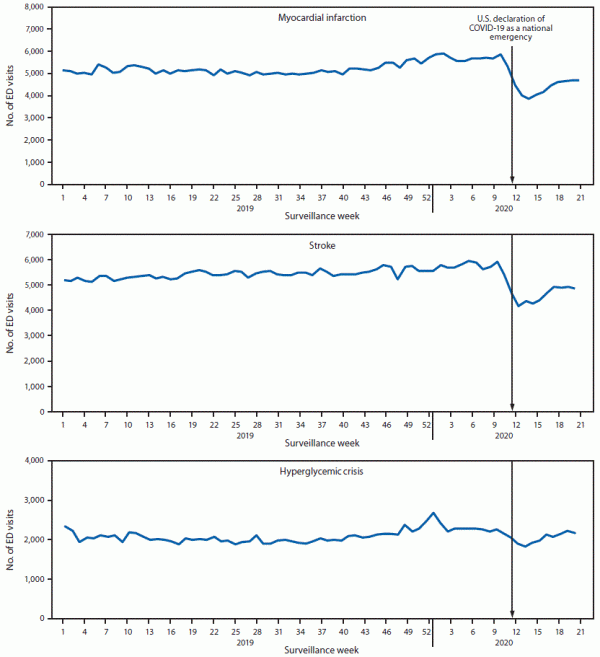
(Figure 1 from CDC article about reduction in ED visits)
The Centers for Disease Control published a study online on June 22 showing a 23% reduction in emergency department (ED) visits for myocardial infarction (MI–heart attack) and a 20% drop in cerebrovascular accident (CVA–stroke) related ED visits during the early weeks of the declared pandemic. ED visits for hyperglycemia and ketoacidosis only fell by 10% in the same period. See the above figure, showing a precipitous drop.
Other sources have reported larger decreases, as the study states:
For example, a study of nine high-volume U.S. cardiac catheterization laboratories found a 38% decrease in activations for heart attacks during March 2020 compared with the 14 months before the pandemic (2). Further, large hospital systems in California, Massachusetts, and New York City have reported 43%–50% reductions in admissions for MI and other acute cardiovascular conditions during the pandemic (3–5), and neuroimaging data from approximately 850 U.S. hospitals indicate a 39% reduction in the number of patients who were evaluated for signs of stroke
The smaller drops reported in this study were not explained. They might reflect differences in how the data is reported; the CDC study used a system-wide automatic report that covered 73% of all ED visits in the US. The hospital systems that reported large drops were in areas hard hit by the pandemic, while the CDC sources cover most of the US, including areas little affected in the early weeks of the pandemic.
The CDC study suggests that a large part of the increase in deaths not related to positive tests for COVID-19 were due to patients not reporting to the ED for symptoms of stroke or heart attack and thus dying at home. This is a sad reflection upon the fear and panic caused by news of the virus that prevents patients who may need life-saving care from accessing it. Patients with hyperglycemia are driven by the numbers they see on their home glucose testing machines and thus forced to respond.
Patients with symptoms of chest pain or sudden weakness have no objective means of determining that they face a life-threatening situation. Their response in the face of virus fear is to minimize or deny their symptoms and die at home as a result. Those who did not perish likely face increased disability due to lack of treatment. One long-term consequence of untreated MI is loss of heart muscle and subsequent congestive heart failure or at least reduced exercise tolerance.
The CDC article states:
Communication from public health and health care professionals should reinforce the importance of timely care for acute health conditions and assure the public that EDs are implementing infection prevention and control guidelines to ensure the safety of patients and health care personnel.
In a separate study and data analysis, the CDC reported (as of July 1) that an estimate of between 20,000 and 49,000 excess deaths were seen between February 1 and the present, not caused directly by the virus.
The Journal of the American Medical Association on July 1 published an estimate indicating that, during the first eight weeks of the pandemic, only 2/3 of the excess deaths in the US could be attributed directly to the virus. The rest were either due to lack of medical treatment for other conditions or to deaths that could have been attributed to the virus if sufficient information had been available (such as a test for the virus.) Between March 1 and April 25, of the deaths reported, “87 001 (95% CI, 86 578-87 423) were excess deaths, of which 56 246 (65%) were attributed to COVID-19.” That means that about 30,000 deaths in the US in those 8 weeks were unexplained.
The Washington Post analysis published July 2 shows an excess of 8,300 deaths due to heart disease in March, April, and May in the five hardest-hit states plus New York City– an increase of roughly 27% over historical averages. The five states– Illinois, Massachusetts, Michigan, New Jersey, and New York state and the city– had 17,000 deaths more than the number officially attributed to COVID-19, out of a total of 75,000 excess deaths.
If you add up those numbers and extrapolate for March 1 through July 1, there may be 60,000 deaths in the US that were not counted as directly due to COVID-19 but are in excess of historical averages. Many of these deaths would be for untreated myocardial infarctions, but some probably are due to undiagnosed COVID-19. The actual numbers will have to wait months or even a year for full information to filter down the system of death certificates to the CDC.
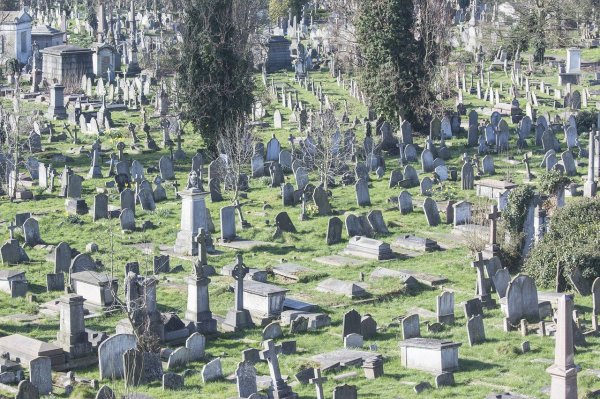
photo by Jakub Orisek courtesy of pixabay.com
According to worldometer, there were reportedly 46,042 new COVID-19 cases in the US yesterday, with 44,734 the day before. This represents a new record in reported cases. Brazil was not far behind, with nearly 38,000 new cases reported. Worldwide, nearly 10.7 million cases have been reported, of whom 516,000, or 8%, have died.
According to the Washington Post, records for new cases were broken in six states yesterday: Texas, Arizona, South Carolina, Oklahoma, Idaho and Alaska. California has also broken records for new cases in the last few days. Florida broke records over the weekend. Beaches in South Florida and Los Angeles were closed for the July 4 weekend.
The pandemic is continuing apace, and the United States has been at the forefront of new cases worldwide for two months (with Brazil, South America as a whole, Russia, and India– plus the UK– making up the top five.) What is worse, new cases in the US are accelerating. Dr. Anthony Fauci told a Congressional committee yesterday that a daily new case count of 100,000 is entirely possible if things do not improve.
In New York City, however, daily new cases have dropped from over 700 at the beginning of June (with 754 on May 27) to under 300 after June 23. There did not appear to be any effect of the widespread public protests over the killing of George Floyd. In Minnesota, the state where he was killed, only 1.5% of people involved in demonstrations had positive tests at four sites set up for surveillance of protestors in the first three weeks of June. Overall new cases in Minnesota have significantly decreased since the beginning of June. It appears that concerns about infection during the protests were negated by the fact that outdoors transmission is much rarer than indoors.
The new cases seemed to be driven by the appearance in the South and West of widespread rejection of mask-wearing and physical distancing in bars, restaurants, and other indoor gathering sites. A number of rural and small-town areas in the South and West are experiencing massive case counts relative to their populations.
The Johns Hopkins University web site has state by state case counts daily for the last three months graphed out. The curves show fascinating differences. A few northeastern states have shown dramatic reductions in case counts– by 90% in Rhode Island, Connecticut, Massachusetts, New York and New Jersey. Some states in the South have had shocking increases: Arizona, Arkansas, and South Carolina have increased by ten times. Florida has increased by nine times. Oklahoma is up six times; Idaho, Texas, and Nevada are up five times, and Oregon and Mississippi are up by four times. California has steadily increased by double in the last month.
Tennessee, North Carolina, Kansas, Alabama, Utah, Georgia, Kansas (doubled in 2 weeks), and Ohio have doubled their daily rates. Montana has seen an increase from less than ten cases a day to more than 30, but the numbers are too small to consider significant. Louisiana is a special case: it dropped from a peak of 1578 cases on April 8 down to 268 on May 29 and has gone back up to 977 new cases on June 29. We can tentatively trace the early peak to Mardi Gras celebrations, and conversely, the drop to a lockdown on April 1. This is one of the few states that can trace their rises and falls to single events.
The state by state new case counts show very significant trends related to introductions of infections in (mainly) February and early March in the Northeast followed by intensive societal shutdowns. In contrast, the trends in the South and Southwest show trends related to gradual introductions followed by weak lockdowns, followed by rapid openings and spreading events especially on Memorial Day. The introductions on the West Coast, particularly around San Francisco and Seattle, were followed by early shutdowns and gradual increases of new cases on the West Coast.
In Washington State, there was a spike at the beginning of April with a drop starting April 10-11 that relates to a restriction emplaced around April 5; there is a rapid drop in new cases that bottoms out around April 16-20. This is followed by a slow downward trend that hits its nadir on May 23. Thereafter, the rates trend upward to where they are now almost at the peak rate in early April. There is no clear relationship of the upward trends to the reopenings that occurred in a phased fashion through May and June.
Taken together, the state by state data can be said to argue that restrictions on people’s movements and the shutdown of restaurants and bars have had a significant effect on infection rates. The demonstrations since George Floyd’s murder had no obvious effect on infection rates. In fact, the state by state results suggest that, in places where there were fewer protests (the South), there were larger increases in the infection rate. Rejecting infection control measures like masks in the South has probably had a contributory effect on new case counts.
The explosion in new cases has already overwhelmed the testing and tracking facilities that have been set up in states that have reopened their economies. The local and state health departments have been unable to create and staff tracking centers fast enough to follow the new cases that have been presented to them. It was estimated that 100,000 case workers would be needed across the US but less than half of these have been hired– and the estimates are already outdated by the numbers that have been posted in the last week.

(image courtesy of pixabay.com and Gerd Altmann)
The Atlantic magazine published an article about the supply of COVID-19 tests in the US with reports from the major suppliers, including Quest Diagnostics, BioReference Laboratories, and LabCorp, with a comment from the American Clinical Laboratory Association. Currently, about 550,000 tests are being performed daily in the US. Supplies of the swabs used to obtain samples, the reagents used to preserve material on the swabs, and testing machines are all running short. As a result, the one-to-two day turnaround time that are optimal for reporting results are falling back to four to five days. Tests from hospitals and for health care providers are being prioritized, and samples from outpatient sites for the general public are being forced to wait.
The Harvard Global Health Institute was quoted as saying that at least 1.2 million tests per day are needed presently to keep up with demand and to allow for immediate quarantining of positive patients. To eliminate the outbreak, at least 4.3 million tests per day are needed.
The federal government has never taken charge of the testing effort nor taken steps to reduce the shortage of testing supplies and equipment. Duke University and the American Enterprise Institute (a conservative think tank) called for the government to take over the testing effort and establish a task force to streamline the process. This never happened. Admiral Brett Giroir, who was in charge of the testing effort, has returned to his old job at the Department of Health and Human Services. The president publicly stated that he had told “my people” to slow down the testing. While key people on the task force denied that they were told to slow down, other important government staff have not weighed in on whether they were told to slow down.
At first, the president’s spokespeople said that he was “joking”, but he responded, “I never kid” and only later claimed that he was being sarcastic. Whether he in fact did specifically call for testing to be impaired, his lack of leadership on the issue has been obvious. He has not invoked the Defense Procurement Act to obtain anything other than test swabs, only one of many components that have been in shortage. There has not been any overall protocol for testing, nor for any aspect of the country’s response to the virus.
As the number of positive COVID-19 tests has exploded in the last two weeks, demand for tests has skyrocketed. In some places, people have been waiting in line for many hours to obtain tests. Sites have been closing early because they have run out of testing supplies for the day. Without enough tests to satisfy consumer demand, much less to get a clear idea of how many symptomatic infections are occurring each day, the situation will become more dire with each passing day.
No test-trace-isolate protocol can be done without enough tests. Without tracing and isolating, infections will spread throughout the country unchecked. The only thing that will prevent massive increases in death rates is hospital treatments. While new treatment protocols that lower the death rate from severe infection have been developed, they are dependent on the hospital system not being overwhelmed with new patients. The federal government has failed to help our country to deal with this pandemic.
 Conrad Theodore Seitz