
A new study, published on MedRxiv on October 27, 2020, shows a decrease in antibody positivity to SARS-COV-2 among randomly selected UK (United Kingdom) patients over a period of three months. The specimens were collected at three times between late June and September 2020 and showed positivity rates of 6.0%, 4.8%, and 4.4%– a drop of 26%. Evaluations of subgroups, however, showed only 22% loss of antibodies among those who had definitely or probably been sick with COVID-19, as is explained below.
The study collected finger-prick blood specimens at home and performed surveys over the phone or online. The three rounds of testing used roughly 100,000, 106,000, and 159,000 patients. The tests were conducted about 12, 18, and 24 weeks after the peak of the pandemic in England in early April.
The results showed the highest prevalence of antibodies among people who had confirmed COVID-19 with RT-PCR tests at the first round: 96% had antibodies. On the second and third rounds, these rates fell to 90% and 75%. Those who did not have RT-PCR tests, but were suspected by a doctor to have COVID-19, showed 35% positive antibody tests. Those who thought they might have had COVID-19 were 19% positive, whereas those who didn’t think they had it had a 0.9% prevalence.
People who had no symptoms had a 1% prevalence of positivity; those who had atypical symptoms were 10.5% positive, and those who had typical symptoms were 25.1% positive.
Among demographics, those in the youngest group (18-24) had the highest prevalence of antibodies: 7.9%. Those who lived in London had a 13% prevalence of antibodies. Those who were Black had a 17.3% prevalence, versus a 5% prevalence among White people.
Those in the lowest socioeconomic group had a 7.3% prevalence, versus those in the highest, who had a 5% prevalence. Those in the smallest household group, of one person, had a 4% prevalence, versus 9.8% in the largest households of 7 or more people. Those in the lowest population density areas had a 3.2% prevalence versus 7.4% in the highest density areas.
Those who worked in healthcare with patients had 12.9% positivity at the first test, increasing to 13.4% at the third test. Those who worked in nursing homes with patients had 19.6% positive rates, decreasing to 11.1% at the third test. Those who worked in jobs outside healthcare had 6.5% positive rates at the first test, decreasing to 4.3% at the third test, and those who did not work had 4.2% positive at first, decreasing to 3.1% at the end.
The greatest declines in positivity were among those with the lowest rates to begin with: those who had no symptoms and no positive tests had antibody positivity rates fall by 64% (from 1% to 0.4%) and 59% (from 0.9% to 0.3%) respectively. Those who had confirmed COVID-19 by RT-PCR only had positivity rates fall by 22%. Residents of nursing homes actually had rates increase by 82%, but the total numbers of people in that group was small, only 150-348 patients.
These numbers indicate that the rate of antibodies among people in England fell over the three-month period after the sudden onslaught of cases that peaked in the second week of April. Numbers of new cases fell precipitously three weeks after the country was locked down around March 23. The antibody positivity rates fell the most among people who probably had mild or inapparent infections, while those who had confirmed infections retained most of their antibody prevalence.
Those who worked in health care, whether they worked with patients or not, had increasing rates of antibody positivity– more than double the rates for the entire group. Essential workers had decreasing positivity rates, overall similar to the average rates for the whole population.
Most important, those who had confirmed or suspected COVID-19 lost their antibody prevalences at a less than 10% rate, while those who were not thought to have been sick lost antibody prevalence at a 45% rate. This suggests that most people who clearly had COVID-19 retained antibodies after three months. The overall decrease in antibody prevalence of 19% includes a lot of people who were not thought to have been sick; many of these people must have had mild, inapparent infections.
So far, we do not have any such population statistics for the United States. These statistics would probably be very different from those in the United Kingdom.
A new study, published on MedRxiv on October 27, 2020, shows a decrease in antibody positivity to SARS-COV-2 among randomly selected UK (United Kingdom) patients over a period of three months. The specimens were collected at three times between late June and September 2020 and showed positivity rates of 6.0%, 4.8%, and 4.4%– a drop of 26%. Evaluations of subgroups, however, showed only 22% loss of antibodies among those who had definitely or probably been sick with COVID-19, as is explained below.
The study collected finger-prick blood specimens at home and performed surveys over the phone or online. The three rounds of testing used roughly 100,000, 106,000, and 159,000 patients. The tests were conducted about 12, 18, and 24 weeks after the peak of the pandemic in England in early April.
The results showed the highest prevalence of antibodies among people who had confirmed COVID-19 with RT-PCR tests at the first round: 96% had antibodies. On the second and third rounds, these rates fell to 90% and 75%. Those who did not have RT-PCR tests, but were suspected by a doctor to have COVID-19, showed 35% positive antibody tests. Those who thought they might have had COVID-19 were 19% positive, whereas those who didn’t think they had it had a 0.9% prevalence.
People who had no symptoms had a 1% prevalence of positivity; those who had atypical symptoms were 10.5% positive, and those who had typical symptoms were 25.1% positive.
Among demographics, those in the youngest group (18-24) had the highest prevalence of antibodies: 7.9%. Those who lived in London had a 13% prevalence of antibodies. Those who were Black had a 17.3% prevalence, versus a 5% prevalence among White people.
Those in the lowest socioeconomic group had a 7.3% prevalence, versus those in the highest, who had a 5% prevalence. Those in the smallest household group, of one person, had a 4% prevalence, versus 9.8% in the largest households of 7 or more people. Those in the lowest population density areas had a 3.2% prevalence versus 7.4% in the highest density areas.
Those who worked in healthcare with patients had 12.9% positivity at the first test, increasing to 13.4% at the third test. Those who worked in nursing homes with patients had 19.6% positive rates, decreasing to 11.1% at the third test. Those who worked in jobs outside healthcare had 6.5% positive rates at the first test, decreasing to 4.3% at the third test, and those who did not work had 4.2% positive at first, decreasing to 3.1% at the end.
The greatest declines in positivity were among those with the lowest rates to begin with: those who had no symptoms and no positive tests had antibody positivity rates fall by 64% (from 1% to 0.4%) and 59% (from 0.9% to 0.3%) respectively. Those who had confirmed COVID-19 by RT-PCR only had positivity rates fall by 22%. Residents of nursing homes actually had rates increase by 82%, but the total numbers of people in that group was small, only 150-348 patients.
These numbers indicate that the rate of antibodies among people in England fell over the three-month period after the sudden onslaught of cases that peaked in the second week of April. Numbers of new cases fell precipitously three weeks after the country was locked down around March 23. The antibody positivity rates fell the most among people who probably had mild or inapparent infections, while those who had confirmed infections retained most of their antibody prevalence.
Those who worked in health care, whether they worked with patients or not, had increasing rates of antibody positivity– more than double the rates for the entire group. Essential workers had decreasing positivity rates, overall similar to the average rates for the whole population.
Most important, those who had confirmed or suspected COVID-19 lost their antibody prevalences at a less than 10% rate, while those who were not thought to have been sick lost antibody prevalence at a 45% rate. This suggests that most people who clearly had COVID-19 retained antibodies after three months. The overall decrease in antibody prevalence of 19% includes a lot of people who were not thought to have been sick; many of these people must have had mild, inapparent infections.
So far, we do not have any such population statistics for the United States. These statistics would probably be very different from those in the United Kingdom.

Cell journal published a paper on October 8, 2020 that describes as-yet unknown functions of the SARS-COV-2 virus NSPs (non-structural proteins) 1, 8, 9, and 16. These proteins interfere with messenger ribonucleic acid (mRNA) activity in the host (human) cell and prevent the cell from producing interferon to warn other cells about the COVID-19 infection.
Some basic information about SARS-COV-2 and its proteins: The four proteins that are associated with the virus genome RNA in its native state are nucleocapsid, envelope, membrane, and spike, or for short, N, E, M, and S. These are known as structural proteins. In addition, after the virus gets into the human cell, its RNA codes for RNA polymerase, helicase, and other proteins required for reproduction; these are, in shorthand, NSP (non-structural protein)1 through 16. There are also seven other proteins, labelled ORF (open reading frame) 3a through 8, whose functions are unknown. This makes a total of twenty-seven proteins, four in the virus itself and twenty-three produced after insertion into the host cell.
This article in Cells from May 2020 explains many of the details of the virus replication machinery and its proteins. Don’t read it unless you want to get really deep into the biochemistry of the virus. Just skim this blog post.
When the virus gets into the human cell, the cell detects its presence with proteins in the cytoplasm. There are several of these proteins including TLR7 (which I mentioned in an earlier post) RIG-1, and MDA5, but they all stimulate IRF-3 (interferon regulatory factor), which is specifically designed to detect single-stranded RNA. This protein stimulates the production of interferon. The virus is able to compete by shutting down interferon production, and the paper explains one way that it does this.
The new paper elucidates the functions of four of the virus proteins, as described in the abstract:
NSP16 binds to the mRNA recognition domains of the U1 and U2 splicing RNAs and acts to suppress global mRNA splicing upon SARS-CoV-2 infection. NSP1 binds to 18S ribosomal RNA in the mRNA entry channel of the ribosome and leads to global inhibition of mRNA translation upon infection. Finally, NSP8 and NSP9 bind to the 7SL RNA in the signal recognition particle and interfere with protein trafficking to the cell membrane upon infection. Disruption of each of these essential cellular functions acts to suppress the interferon response to viral infection. Our results uncover a multipronged strategy utilized by SARS-CoV-2 to antagonize essential cellular processes to suppress host defenses.
https://doi.org/10.1016/j.cell.2020.10.004
To amplify on the abstract: the protein NSP16 attaches to specialized RNAs (called “spliceosomes”) U1 and U2 that splice new RNA after it is transcribed from DNA in the cell’s nucleus. Normally these RNA-protein complexes modify the RNA by removing introns, leaving the parts that code for a new protein. Inhibiting the “spliceosome” prevents nuclear DNA from producing mRNA that crosses the membrane from the nucleus into the cytoplasm– where it is supposed to be translated into proteins.
The viral protein NSP1 binds to the entrance channel on human ribosomal RNA and prevents human messenger RNA (mRNA) from passing through, which stops mRNA from being translated into a protein. This shuts down the human cell’s protein production facility in the cell cytoplasm.
The virus is apparently still able to produce proteins from its own RNA. It does this because the virus mRNA contains a sequence at its beginning that releases NSP1 and promotes the translation of the rest of the virus mRNA.
The viral proteins NSP8 and 9 bind to RNA-protein complexes that help fold proteins and transfer them to the cell membrane– where they are normally released into the extracellular space and can travel through the blood to distant cells. In the presence of NSP8 and 9, proteins cannot transfer out of the human cell.
The most important human protein affected by these virus is interferon, which would normally signal to other cells that an infection is in process and stimulate the host to defend the system against the infection. In severe COVID-19, there is a notable deficiency of interferon. Many other proteins that the human system uses in defense against viral infections are also affected by this interference.
These virus proteins are produced in the early stages of COVID-19 infection, to prevent the host cell from mounting a defense while it gets to work reproducing itself. The virus RNA is exposed to detection early on in the cell’s cytoplasm and vulnerable to host defenses, but later, during replication, it forms a network to protect itself (this is described in the Cells paper mentioned above.)
The work reported in this new Cell paper is complex and involves the use of human cell lines as well as the SARS-COV-2 virus and mutant viruses. The paper shows how the virus is able to suppress the immune response during early infection and helps to explain some of the effects seen in severe infections.
This work will help us to find treatments that can inhibit the effects of these virus proteins and ameliorate severe infections. We should remain aware that procedures to prevent infection are the most powerful “treatment” for the virus available. This is because not getting infected in the first place gives us a better result than being infected, getting sick, being treated, and surviving.
This means that using face masks (and goggles or clear plastic face shields in high-exposure situations), washing our hands, and staying physically separated from strangers will help more than any treatment. A vaccine will provide an additional barrier against infection, when it is available.

The New Yorker on October 24, 2020 published a review of a book about books about the current president, titled “the lessons of reading every book about [redacted].” There have been over a hundred and fifty books written about the current president over the years, many more in the recent past, several despite the best efforts of His lawyers.
The author of the book in question, “What Were We Thinking? A Brief Intellectual History of the Trump Era”, Carlos Lozada, has read most, if not all, of the books so far published about the current president. The author presents his review so that you do not have to read all those books. This is in itself a mercy. No-one should have to read even one such book except to satisfy a morbid imagination.
If you read this review, you will not even have to read the book. The review briefly summarizes the book’s most significant work, which is to categorize all the books on the subject: they are subdivided into approximately ten varieties. The first several are of interest: “chaos chronicles” (from officials “expressing concern”), “heartlandia” (about fans of the current president), “Russian lit” (about the current president’s ties to Russia), and manuals for the resistance (what to do if you oppose His policies.)
There are also hagiographies (written by fans of the current president) and dissections of the conspiracy theories spawned by those within and without the present administration. There are discussions of the main issues on which most of the public disagrees with the current administration, such as the issue of immigration.
Most important, the number of books written about the current president should not make you think that the subject of those books is complex. In fact, the current president has a rather limited vocabulary and little tolerance for details. He is a very simple-minded, albeit malignant, man.
I’m presenting this link because it is possible for the average internet lurker to access a limited amount of content from the New Yorker without a subscription. I believe that you can read two or three articles a month for free from any random Internet Protocol (IP) address. If you have an interest in the subject but no extra money to purchase a subscription, I suggest that you take in this particular article because it will allow you to avoid reading all 150 books about a rather disheartening subject.
That is the adjective that conservatives have used whenever some particularly egregious act by the current president is brought to their attention: “I am disheartened by [insert current outrage here].”
Rather than be disheartened, and to avoid being bogged down in depressing details, I suggest that we simply vote Him out of office so that we can forget Him.
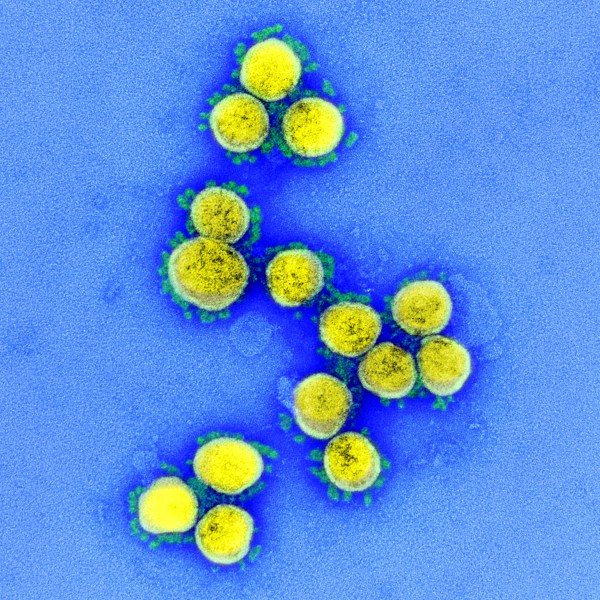
The Food and Drug Administration issued a full approval for remdesivir to treat COVID-19 on October 22, 2020. This comes shortly after a negative trial was published on MedRxiv in an interim result (on October 15) by the World Health Organization (WHO), in a trial known as SOLIDARITY.
I posted about this trial yesterday; it showed no mortality advantage for remdesivir, lopinavir, interferon, or hydroxychloroquine (HCQ) in a large number of patients (over 2700 each for remdesivir and placebo) but may be flawed (it has not yet been peer-reviewed.)
Already, commenters on the SOLIDARITY trial (the Disqus thread) have had numerous questions. For example, how early in the course of infection were these drugs given? Detailed information about the age, degree of illness, etc. of the study subjects has not been fully evaluated.
The FDA’s justification for approving remdesivir with “substantial evidence of effectiveness and a demonstration of safety” rests on three randomized, controlled clinical trials which are described in the FDA announcement. Only the first and second trials, with over 500 patients each in drug and placebo arms in the first trial and 200 each in the second trial, shows “statistically significant” clinical improvement with drug over placebo. The third trial shows that the improvement was similar in 5 and 10 day courses of the drug.
The biggest trial was published in the New England Journal of Medicine as a final report on October 8. This was a randomized, double-blind trial done at sixty sites, mostly in the US and Europe, in February through April. It enrolled just over 500 patients each to placebo and remdesivir treatment. 90% of patients wound up in the severe disease category. 80% had a pre-existing condition; the average age was 58, and 64% were male.
The median time to recover was ten days in the remdesivir group and 15 days in the placebo group. Mortality at fifteen days was 6.7% and 11.9%, and at 29 days was 11.4% and 15.2%. Survival to fifteen days was significantly better with remdesivir, but 29 day survival did not quite reach statistical significance.
Remdesivir (trade-named Veklury by Gilead Sciences) was approved under special FDA programs designed to fast-track drugs for emerging infectious disease threats. No mention of the negative WHO trial was made in the FDA news release.
Whether the FDA has considered the WHO trial or taken into account its negative findings is not known. It is possible that the WHO trial was not released until the FDA had already decided on its approval; bureaucracy being what it is, the two publications may have “crossed in the mail.”
I am left with some few concerns about remdesivir, but I am comfortable with its use in COVID-19 for the reason that its mechanism of action is clear and convincing, and that it appears to be relatively safe (unlike HCQ on both counts.)
After further discussion among experts, we may discover that the WHO trial had some flaws that make it less persuasive. Or we may find that remdesivir is not sufficient to really help patients with late, severe COVID-19. The phenomenon often seen in severe cases of the immune system over-reacting to the virus may account for remdesivir’s insufficient efficacy.
It is also possible that many people with severe disease have inherited or acquired defects in their immune systems that have not yet been found or clarified. Several research papers have already been published this year revealing inherited immune defects that were unknown before the pandemic struck.
As has so often occurred in this pandemic, further experience will tell us much more. We are certain to see more cases of severe COVID-19, and more research on patients with the disease.

Back in 2016, a commonly accepted prediction based on opinion polls was that Hillary Clinton had an 80% chance of winning the presidential election. This is actually worse than one in six, which is the chance of any particular number coming up when one throws a die.
So people who were “shocked” that Hillary lost have not played with dice much. Her chances were, even if the 80% prediction was correct, not really that good. This was because the right-wing propaganda machine was uncommonly effective during the 2016 campaign and long before. For 25 years, the propagandists had inveighed against Hillary, making her extremely unlikeable among even middle-of-the-road voters. Right-wing voters despised her, not because of her actual characteristics, but because they had been indoctrinated for years.
Most people were unaware of the virulent propaganda campaign being waged against Hillary, in part because it was so comprehensive. The invective was subsumed into popular discourse and infiltrated national media to such a degree that no-one noticed how extensive it was.
The campaign was already in high gear when Hillary said, “…the vast right-wing conspiracy” and people laughed… because they didn’t know it was true. They did know that Hillary had been duped by her own husband and that Monica was doing the dirty deed with Bill. A long story, better left untold, but few people know:
A holdover from the George HW Bush administration, Linda Tripp held a “low level” position in the Defense Department. She used her position to get Monica to confide in her, then she took the information she had gleaned to Ken Starr. He was the “independent counsel” (actually a right-wing conspiracist lawyer) who was “investigating” the failed Whitewater land deal. After finding nothing there, he broadened his investigation to Bill Clinton personally. Linda Tripp gave him the infamous dress with semen stains, and the impeachment was born.
Bill Clinton was impeached for lying about his sexual relationship with Monica Lewinsky. Today, the Department of Justice (DOJ) is personally protecting the president from a civil suit that claims that he defamed a woman that he (allegedly) raped many years ago… my, how things have changed in our government. Back then, a president was impeached for lying about a consensual sexual relationship; now, a president is defended by his own DOJ against a civil suit that claims he defamed a woman by lying about her claims that he raped her, saying “she’s not my type.” (Any unprotected woman is his type.)
Back to 2016, four years before a woman came forward with claims that the now-president raped her in a department store many years ago. How far our government has fallen.
I was recovering from major surgery: a laminectomy and fusion with hardware that included a rod extending from S1 to T10, roughly twelve inches. I had to have the surgery because I had spinal stenosis and severe compression of my spinal nerves (look it up if you don’t know how painful this is.)
The surgery was on August 8 and 9, 2016 (yes, two days in a row); the first surgery, from the front, was to insert spacers to restore the collapsed disks at several lumbar segments, and the second surgery, from the back, was to cut off the backs of the lumbar vertebrae (all five) and screw them to a rod that extended from the last two thoracic vertebrae across all five lumbar vertebrae to end at the top of the sacrum.
It took three weeks in the hospital to learn to walk again, with a walker and then with two canes. After that, it took three months of daily exercise to graduate to walking with a single cane.
At the time, I posted on this blog a picture of myself in a brace in the town where the surgery was done, my home town in fact, San Francisco, California.
During this time, I was blissfully unaware of the presidential campaign between Hillary Clinton and he-who-must-not-be-named. I can honestly say that I enjoyed the pain much more than I would have enjoyed the constant fighting, insults, and lies (mainly by he-who-must-not-be-named) that characterized that campaign.
I was not invested in the campaign, although I supported the Democratic side. I was deeply disappointed by the result, but I did not pay as much attention as I should have to the evil Republican who won.
Now, I am deeply invested in this campaign and I have done what I can to prevent a repeat of 2016. Not having any money as I am still disabled, I supported my wife in contributing what she could to Joe Biden’s campaign.
I can only hope and pray that Joe Biden, without the 25 years of propaganda and lies that Hillary Clinton was weighed down by, and not being a woman (which was still a major disadvantage, 96 years after women had gained the right to vote) will win the election that concludes in twelve days.
If you have not already voted, then mask up, bring a chair, snacks, and your favorite music, and go vote in person at the first opportunity. Do not use the mail. It is worth dying from the novel coronavirus to make sure your vote counts on November 3. Having read this far, I am confident that you, dear reader, will do the right thing and vote for Joe Biden.
A study posted on MedRxiv on October 15 showed no benefit for remdesivir on mortality for hospitalized patients with COVID-19:
Death rate ratios (with 95% CIs and numbers dead/randomized, each drug vs its control) were: Remdesivir RR=0.95 (0.81-1.11, p=0.50; 301/2743 active vs 303/2708 control), Hydroxychloroquine RR=1.19 (0.89-1.59, p=0.23; 104/947 vs 84/906), Lopinavir RR=1.00 (0.79-1.25, p=0.97; 148/1399 vs 146/1372) and Interferon RR=1.16 (0.96-1.39, p=0.11; 243/2050 vs 216/2050). No study drug definitely reduced mortality (in unventilated patients or any other subgroup of entry characteristics), initiation of ventilation or hospitalisation duration. CONCLUSIONS These Remdesivir, Hydroxychloroquine, Lopinavir and Interferon regimens appeared to have little or no effect on hospitalized COVID-19, as indicated by overall mortality, initiation of ventilation and duration of hospital stay. The mortality findings contain most of the randomized evidence on Remdesivir and Interferon, and are consistent with meta-analyses of mortality in all major trials.
https://www.medrxiv.org/content/10.1101/2020.10.15.20209817v1
This large study, called SOLIDARITY, looked at four drugs approved or proposed for use against SARS-COV-2. It included 2743 patients and 2708 controls with remdesivir, and thousands more with hydroxychloroquine (HCQ), lopinavir, and interferon.
None of these four drugs showed a significant benefit on mortality rates, prevention of ventilator use, or length of hospitalization. Remdesivir showed an insignificant improvement over placebo. HCQ and interferon actually showed worse results than placebo, although the differences were not significant.
This study is very disappointing for adherents of remdesivir and contradicts previous studies that showed benefits in smaller groups of patients. Unless close examination of the study finds flaws (which is possible given that it was not yet peer-reviewed) another, larger study will be needed to further evaluate remdesivir versus placebo.
It should be noted that Gilead, the maker of remdesivir, disputed the results of this study. This is noted in the New York Times story about this report.
A possible flaw in the study might be the fact that drugs were given depending on “whichever study drugs were locally available” and the dates of the patients may have differed. It is possible that use of dexamethasone or other drugs may have differed between study drug and placebo. This factor did cause bias in a study of the use of HCQ that was debunked earlier. Review of these issues will require close examination of the raw data.
At the very least, studies with monoclonal antibodies will be needed to evaluate their benefits against those of remdesivir. New monoclonal antibody treatments are becoming available, and these show dramatic promise for early treatment and prevention of disease in those exposed to the virus. Monoclonal antibodies are slow and expensive to produce, but they may prove to be the most effective against the novel coronavirus.
The Washington Post reported on 10/20/20 that a British research study will attempt to infect healthy young volunteers with measured amounts of SARS-COV-2 virus to determine the minimum infectious inoculum, as a prelude to studying vaccines against COVID-19:
The British experiment is scheduled to begin in January. Volunteers will have a purified, laboratory-grown strain of the live virus blown into their noses, while quarantined in a 22-bed biosecure unit at the Royal Free Hospital in London, where they will undergo daily, even hourly, tests over two to three weeks.
The initial phase of the study, involving fewer than 100 healthy young adults between ages 18 and 30, will seek to determine the minimal amount of virus necessary to cause an active, measurable infection in the upper respiratory system.
https://www.washingtonpost.com/world/europe/covid-challenge-trials-uk/2020/10/20/00a31136-026c-11eb-b92e-029676f9ebec_story.html
PS I would like to see the study confined to volunteers between eighteen and twenty-five, make them all female (better immune systems), and evaluate them for known inherited immune disorders before-hand. Just my personal preference.

Good news: studies indicate drop in death rates among hospitalized patients with COVID-19: NPR
National Public Radio (NPR) reported on October 20 that a peer-reviewed study of death rates in hospitalized patients with COVID-19 will appear in next week’s Journal of Hospital Medicine. A preprint was shared online in August.
Death rates dropped from 25.6% at the start of the pandemic to 7.6% as of July 14. 4,689 hospitalizations were evaluated in a single hospital system in New York City.
From the abstract, the discussion says:
In this 16-week study of Covid-19 mortality at a single health system, we found that changes in demographics and severity of illness at presentation account for some, but not all, of the decrease in unadjusted mortality. Even after risk adjustment for a variety of clinical and demographic factors, mortality was significantly lower towards the end of the study period. Incremental improvements in outcomes are likely a combination of increasing clinical experience, decreasing hospital volume, growing use of new pharmacologic treatments (such as corticosteroids, remdesivir and anti-cytokine treatments), non-pharmacologic treatments (such as proning), earlier intervention, community awareness, and lower viral load exposure from increasing mask wearing and social distancing.
https://www.medrxiv.org/content/10.1101/2020.08.11.20172775v1
While the later hospitalizations represented younger patients with lower viral loads, improvements in treatment also reduced mortality rates significantly. This is good news for anyone who gets sick with COVID-19.
A second study, of 14,958 hospitalizations in England, was reported as a preprint on August 3. This study included people admitted from March 1 through May 30. It found adjusted mortality risk dropped by 11% for regular admissions and 9% for intensive care unit (ICU) admissions.
These studies were also discussed in two blog posts: WhatsNew2Day and KPCC (public radio.)
Even if you survive a bout of illness, there is still a problem with lingering after-effects. This is now called “long covid.” Patients often report brain fog, exhaustion, reduced exercise tolerance, and other problems that continue for weeks or months after the virus has been eliminated from the system.
5-10% of patients report continued problems. Imaging has also revealed heart damage, lung injuries, and other problems (I posted earlier about an MRI study which said over 70% of patients had signs of heart damage.) BBC yesterday reported on a study due to be published soon, which says 5% of patients have symptoms for at least eight weeks.
 Conrad Theodore Seitz