
Most people on social media saw the video of Jacob Blake being shot in the back by a policeman (according to Wikipedia, he was hit by four of seven shots fired at him.) What they didn’t see was what happened during the couple of minutes before the shooting. From statements that have come to light afterwards, it is clear that the policemen involved were trying to arrest Mr. Blake on a warrant. They were present because they had been called to the scene by the person who had originally made the complaint that led to the warrant. At least four policemen were present and directly involved in attempting to arrest Mr. Blake.
The policemen had used a Taser on him, apparently twice, without much effect. They had also bodily tackled him, and he had slipped their grasp. The fact that four policemen were unable to subdue Mr. Blake physically speaks to their incompetence or weakness. Are they not trained and practiced in physically taking down an arrestee?
Their reaction to their inability to subdue the arrestee also speaks to their incompetence. Instead of trying harder, all four of them, to take him down, they drew their weapons and tried to intimidate him by threatening to shoot him if he did not comply. He had already pulled out the Taser darts they had fired into him– what made them think that they could intimidate him?
This threat was obviously ineffective and led to their being “forced” to use their weapons in an attempt to render him hors de combat or to kill him. Even after seven rounds fired point blank at his back, they were unable to kill him.
This shows the basic incompetence of these policemen. They were unable to hit him with all of their shots (fired slowly, as the video shows)– they missed three out of seven times. Think about this. He was within arm’s reach and they couldn’t hit him consistently with aimed shots.
These policemen– all four of them– were unable to arrest a man without resorting to lethal force, even when he did not present a threat to them (except the threat that they would fail in their “duty” to arrest him) and even in the presence of multiple innocent bystanders who could have been wounded or killed by stray bullets (those other three bullets had to land somewhere.)
The fact is that the police force in Kenosha, Wisconsin is incompetent and dangerous, both to miscreants and to innocent bystanders.
The basic incompetence of this force was again shown the following Tuesday night, when a seventeen-year-old carrying an AR-15 rifle fired on protesters, killing two and wounding a third. Immediately after the shooting, when bystanders were yelling at the police (in their squad cars) “He’s the shooter!” and he walked towards them with his hands up as if to surrender, they ignored him and drove past him. This was also recorded on video from another cellphone.
This minor, a murderer, was able to walk away and return to his home in Illinois. He was arrested the following day (without incident) by local Illinois police. He has still, at this writing, not been extradited back to Wisconsin. His lawyer is claiming “self-defense” and says he will fight the extradition. Watch the video. Does that look like “self-defense” to you?
These incidents speak to the basic incompetence and racism of local police forces both in Kenosha, Wisconsin and in Illinois. The fact that four policemen were unable to arrest a man who was not brandishing a weapon, on a warrant, without resorting to lethal force, tells us that these policemen were incompetent. The fact that he was not allowed to surrender voluntarily, with a lawyer present, to a duly sworn warrant, suggests that he is one of the over-policed minority called Black and indigent.
The fact that a White teenager, after murdering two people, was allowed to return to his home town in another state and surrender voluntarily, with a lawyer, suggests that he is one of the under-policed minority called White and affluent. Is there racism– or classism– here? You decide.
It is no wonder that the roughly 50% of the 8% of Kenosha residents who are both indigent and Black are filled with rage. There is little surprise when they attack the nearest symbols of their economic subservience (a used car dealership and several retail businesses) with fire and looting. What other weapons do they have at hand to make their anger heard?
It is also no wonder that the roughly 95% of Wisconsin residents who are not Black are now more likely to vote for their oppressor-in-chief, the con man in the White House, because they are afraid. This man has used one of the oldest tricks in the autocrat’s playbook: to define society as consisting of warring classes (or ethnicities) and set them one against the other, to distract them from the fact that he is oppressing all of them.
( To be continued in next post … )
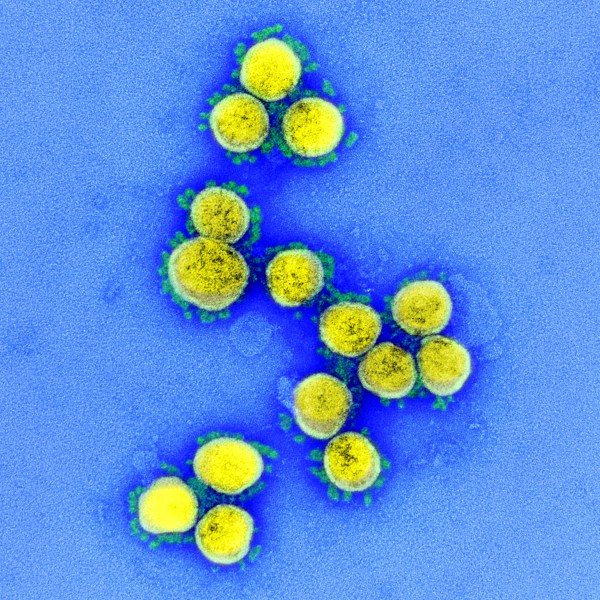
The Washington Post on August 28 published an article about the University of Arizona’s sewage surveillance and how it caught a COVID-19 outbreak before it started. Like many other colleges, universities, and primary or secondary schools, the U of AZ has been dealing with the fall opening of school by closely watching its students as they moved into dorms.
One of their newer methods of surveillance: examining sewage from the dorm’s bathrooms for virus RNA. Previous research has shown that fragments of virus RNA can be detected in sewage outfalls even before people report symptoms or test positive for SARS-COV-2.
From the WaPo article:
When a wastewater sample from one dorm came back positive this week, the school quickly tested all 311 people who live and work there and found two asymptomatic students who tested positive. They were quickly quarantined.
“With this early detection, we jumped on it right away, tested those youngsters, and got them the appropriate isolation where they needed to be,” said Richard Carmona, a former U.S. surgeon general who is directing the school’s reentry task force, in a news conference.
Researchers around the world have been studying whether wastewater testing can effectively catch cases early to prevent covid-19 clusters. There are programs in Singapore, China, Spain, Canada and New Zealand, while in the United States, more than 170 wastewater facilities across 37 states are being tested. Earlier this month, officials in Britain announced testing at 44 water treatment facilities. The Netherlands has been collecting samples at 300 sewage treatment plants.
With colleges battling large outbreaks around the country, the University of Arizona — which is trying a mix of online and in-person courses — elected to test sewage from all 20 residence halls. Other schools are doing the same, including the University of California at San Diego and Syracuse University.
https://www.washingtonpost.com/nation/2020/08/28/arizona-coronavirus-wastewater-testing/
This technique– already proven at several large sewage facilities in the Netherlands– has the potential to surveil large or small groups of people and rapidly detect the excretion of virus RNA, even before symptoms appear in the affected population.
In the U of AZ case, we do not know if the two infected students were asymptomatic or presymptomatic, but it doesn’t matter for this surveillance technique. It can detect infections early, possibly even before nasopharyngeal swabs.

On August 24, the Centers for Disease Control (CDC) changed their recommendations for testing of people who have been exposed to other people with COVID-19 (or who have been in an environment where the virus is spreading): now they say a test is not needed unless you have symptoms. It doesn’t say, wait a few days after exposure to get tested (which might make sense, since it takes an average of 4-5 days to come down with an infection after you are exposed)– it just says, you don’t need to be tested.
This change left a lot of experts scratching their heads. What if you were exposed and caught the infection, but had no symptoms? Aren’t you equally at risk of passing it on and aren’t you just as dangerous to others?
We know that a large proportion of people who are infected by SARS-COV-2, the virus that causes COVID-19, have no symptoms. Anywhere from 20% to 80%, depending on which study you read (an average of 40%) of those infected are asymptomatic. However, other studies show that they can just as easily pass on their infections as those who are sick. In fact, if they don’t know that they are contagious, they could pass it on more easily because they won’t isolate themselves.
Now, if you didn’t know that a) you might have it and be asymptomatic and b) you could still easily pass it on, you might think that this is sound advice. But you would be wrong. You could kill your grandfather (who has diabetes and high blood pressure) or your disabled baby nephew (who has an immune deficiency.) Is that good or bad?
This is what the recommendation dated July 22 from CDC says: “Viral testing is recommended for all close contacts of persons with COVID-19.” If you click on the “hyperlink” associated with the words “all close contacts” it takes you to a page about “Contact Tracing” which discusses in-depth everything you need to know about– you guessed it– finding and testing everyone who came into “close contact” with a known case.
This is what the recommendation dated August 24 from CDC says: “If you have been in close contact (within 6 feet) of a person with a COVID-19 infection for at least 15 minutes but do not have symptoms: You do not necessarily need a test unless you are a vulnerable individual or your health care provider or State or local public health officials recommend you take one.” Note that there is nothing about the incubation period (the time between exposure and infection.)
Now, I don’t know about you (maybe you’re not paranoid– yet) but that, to me, sounds suspiciously like a way to avoid testing people rather than a way to track down and isolate everyone who might be infected so that you can contain a highly contagious disease. In the long run, the effect of this guidance or recommendation will be to allow more asymptomatic people to pretend that everything is fine while they go around spreading the disease to unsuspecting contacts.
Especially if they don’t bother to wear a mask and don’t wash their hands after every contact with another individual who is not in their own household. Nor would they trouble themselves to avoid crowds of other people not wearing masks. Just like Typhoid Mary (remember her?)
So Governor Cuomo of New York State came out on TV and said he was going to ignore that new advice from the CDC. I am going to follow his lead, but I’m not going to ignore it altogether. I’m going to store it up in my head in a mental file with all the other gaslighting attempts that come from politicians who get tested multiple times a day and don’t let anyone who hasn’t been tested come within shouting distance.
Footnote: A Washington Post story today at 3:27 PM EDT says that Dr. Scott Atlas, a member of the Coronavirus Task Force, pushed for this change in “guidance” and has stated publicly that “fewer people need tests for the virus” (according to the story.) Apparently the CDC change was pushed by the task force. Admiral Brett Giroir, a task force member, claimed that this related to the idea that someone without symptoms should not be tested on “day two” after exposure because such a test would likely not be valid– but that’s not what the guidance says.
It’s true that the ideal time to test someone without symptoms after exposure would be more like a week to two weeks– but, again, that’s not what the guidance says. This is also unrelated to the shortage in tests and the long turn-around time for results, according to the story. Once again, this is wrong and should not be trusted.
Dr. Atlas, a physician, is not an infectious disease specialist and is a fellow at the conservative Hoover Institution, a think tank at Stanford University. Herbert Hoover, it should be remembered, is the president who preceded Franklin Delano Roosevelt, and who did little or nothing to help the US during the worst days of the Great Depression– where we are headed now, only on the heels of a deadly contagious virus pandemic. This new guidance shows that the CDC has been corrupted by the ideas of the Con Man in Chief. Be very, very afraid.
The study authors were quoted in Medpage Today as standing behind the main conclusions of their study.
“We are pleased to confirm that reanalysis of the data has not led to a change in the main conclusions of the study,” they wrote. “As we originally reported, compared with healthy controls and risk factor-matched controls, patients recently recovered from COVID-19 had lower left ventricular ejection fraction, higher left ventricle volume, and elevated values of T1 and T2.”
Only the comparison for left ventricular mass index between COVID-19 patients and healthy controls changed from a significant to a nonsignificant association.
https://www.medpagetoday.com/infectiousdisease/covid19/88263
This study was described as “the most important cardiology study of the decade” by Darrel Francis, MD, of the National Heart and Lung Institute of Imperial College London, who criticized the journal for “dragging its feet” although the report was only published July 27. He claims that the damage noted on the scans is real, but caused by the patients’ risk factors and not their virus infection.
Unfortunately, without baseline MRI scans, we are left with nothing to prove the ultimate cause of the damage, which is relatively very severe and affected over 70% of the patients.
Who knows? This study will at least force athletes who have had COVID-19 to have MRI scans before they are cleared to participate in college or professional sports. The results of a huge number of scans may shed more light on the incidence of these abnormalities in all athletes.
This reminds me of the autopsy studies done on soldiers killed during combat operations in Korea, Vietnam, and Afghanistan/Iraq. The post-mortem examinations found that a high proportion of these young, presumably healthy men had early atherosclerotic disease (“hardening of the arteries”) in their hearts.
There was less “hardening of the arteries” in more recent traumatic deaths, confirming the impression that heart attacks have declined as a cause of death over the last 50 years. Yet there are still people who appear healthy who have significant atherosclerosis– so we don’t know how much heart disease there is unless we look.

The Centers for Disease Control (CDC) has published a review of the prevalence of “Mental Health, Substance Use, and Suicidal Ideation” during the week of June 24-30 that came out on August 14. It is, as expected, a dismal picture. We all know that we’re feeling anxious about things.
The people suffering the most are young adults aged 18-24 — 75% of them have “at least one mental or behavioral condition.” That is, they feel anxious or depressed, or they are drinking heavily, or having other ugly feelings and doing other ugly things. Worst of all, about a quarter of them reported “suicidal ideation”– they had thoughts of harming themselves or wished they were dead.
Of course, people who already had problems are suffering even more, but that’s to be expected. The others who are, surprisingly, deeply affected, are those who did not receive a high school diploma (66%) and unpaid adult caregivers (67%); most of the rest of the subcategories have about a 50% positive response rate to the questions about feeling bad or doing “bad” things to cope. Unpaid adult caregivers also reported “suicidal ideation” at a 30% rate.
About a quarter to 30% of all adults report anxiety or depression symptoms, three to four times the rate that gave that report pre-pandemic. 13% stated that they were using substances to cope with the effects of stressors (whether that is fear of infection, job loss, or the death of a relative varies, of course.) 11% of all adults reported feeling suicidal this June.
These data were summarized in a post on Medpage Today also dated August 14; this is a quick and easy read compared to the Morbidity and Mortality Weekly Report (MMWR) linked here and in the first paragraph. Here are a couple of caveats that will help you to digest this information.
First, “suicidal ideation” is not the same as risk for suicide. About half of all people who commit suicide would not have reported suicidal ideation if they were asked prior to doing the deed.
There is a combination of factors that causes people to kill themselves, and they are poorly captured by the thoughts that they have beforehand that are expressed in the phrase “suicidal ideation.” Even specialists don’t think that half of all suicides were actually “mentally ill” before they did it.
We do not know exactly what prompts these people to kill themselves. It appears to be an addition of an “adjustment disorder” (a reaction to something that happens to you, such as losing a job or being yelled at) to something called “akathisia” (literally, the inability to sit still, a kind of restlessness that seems to provoke sudden, thoughtless actions.)
Akathisia can be brought on by drugs such as certain antidepressants like so-called SSRIs (don’t ask what this acronym means, please. OK, it’s “selective serotonin reuptake inhibitors”) It can be calmed by certain other drugs like propranolol, a drug used for high blood pressure called a “beta blocker” (which stops the action of adrenaline.)
Akathisia can also be caused by a person’s reaction to some things that happen, even the thing we just called an “adjustment disorder.” This makes it very difficult to deal with, although it’s the sort of thing that, once you’ve seen it and identified it, you will recognize it immediately the next time.
The second problem I need to talk about is the fact that the suicide rate in this country has gone up by about 50% in the last 20 years. You can look up yearly suicide rates through the CDC’s web sites. The point is that we’ve had a worsening problem for years even before the pandemic, and psychiatrists are very worried about it.
So, bottom line, the US has had mental health problems for years — it seems to have been reducing our life expectancy even pre-pandemic — and the virus is only making it worse.
Please be gentle with one another, try to get together and help each other to deal with this disaster, and tell your children that you know they are hurting even if you can’t do much about it right now. If worse comes to worst, here’s the National Suicide Prevention Lifeline: 1-800-273-8255.
The New York Times on August 5-6 published an article about unusual and persistent COVID-19 symptoms titled “The Many Symptoms of Covid-19” that added the term “brain fog” and symptoms like dizziness, impaired thinking, lightheadedness, confusion, inability to wake, and uncoordinated movement. Signs of stroke like facial drooping, numbness, and garbled speech have been seen. Eye pain, itching, tearing, and redness are common. Transient rashes, blisters on the fingers and toes, or even bumpy, smooth, itchy, or innocuous-looking rashes may occur.
Blood clots can cause dangerous loss of circulation in the extremities. Sudden onset of severe pain in the thighs, legs, or buttocks is a dangerous sign and should prompt emergent evaluation for blocked arteries.
Monitoring oxygen saturation with a widely available monitor can be done safely at home. Low oxygen saturation, into the 70% range, can be transient, but if it persists, this is a sign that hospitalization for oxygen therapy is needed.
Mental symptoms like confusion, dizziness, and incoordination, are common; if mild, they can be observed, but if severe, evaluation for stroke is needed emergently at the hospital.
Children often have mild symptoms, but persistent high fevers, lethargy and irritability, with loss of appetite are danger signs. Rashes are also danger signs in children. Rarely, a disease resembling Kawasaki syndrome now called multisystem inflammatory syndrome (MISC) can occur; it is not usually fatal but requires hospital treatment. Often MISC appears after a week or more of illness.
The comments section of this article has many personal accounts of similar symptoms, particularly of the persistent variety, that make for wrenching reading.
The latest news brings a report of a patient who was confirmed to be re-infected with a different strain of SARS-COV-2 four and a half months after recovering from COVID-19. The patient travelled from Asia to Europe and was infected there with a distinct strain of the virus that was confirmed by genetic testing. The report can be found in today’s New York Times and is not paywalled (their coronavirus reporting is free.)
This rigorously confirmed report of a repeat infection indicates that the disease stimulates an immune response that is simply insufficient to prevent re-infection. Fortunately, the patient had only mild symptoms the first time and was asymptomatic the second time– his infection was caught by surveillance of travellers. We can only hope that patients prone to more severe symptoms develop more protective antibodies that last more than four months.

This is a first for fossils– a cancer (specifically an osteosarcoma) located on the fibula of a Centrosaurus apertus. That probably doesn’t strike you as interesting, but I thought it was.
This was reported in ReachMD, based on a paper published in Lancet Oncology, which is unfortunately behind a paywall. The report does have a picture of the fossil, however.
The point is that cancer has never been found in a dinosaur before. This means that cancer is an ancient disease that has affected animals throughout the history of life on our planet. So it’s unlikely that anyone is ever going to find a way to eliminate cancer in humans.
Elephants, by the way, very rarely get cancer, despite their enormous size. They have evolved genetic mechanisms that detect cancer cells early and eliminate them before they have a chance to cause trouble. So maybe, just maybe, it might be possible to develop a genetic way to reduce (but not eliminate) cancer in future human populations. I’m just saying.
Symptoms of COVID-19: Acute vs persistent. A tally of acute and chronic effects of the virus.
Acute symptoms of COVID-19
CDC guidelines published July 17, 2020 state that 96 percent of laboratory-confirmed symptomatic cases of COVID-19 have one of these three symptoms: cough (84%), fever (80%), or shortness of breath (38% of patients not hospitalized.) 45 percent have all three.
Additional common acute symptoms: chills (63%), myalgia (muscle pain) (63%), headache (59%), fatigue (62%), rhinorrhea (runny nose) (51%), and sore throat. (Wired symptom guide, July 31, 2020.)
Less-common acute symptoms: congestion, runny nose, conjunctivitis (pink eye), and anosmia (loss of the sense of smell) (22%.) Gastrointestinal (GI) symptoms: nausea, vomiting (13%), diarrhea (38%), and abdominal pain. Skin symptoms: rash and discoloration of fingers or toes (“COVID toes”.)
Confusion was also reported by about 20% of patients (in the CDC article about persistent symptoms, below.) This may include such things as night-time delirium or nightmares, loss of orientation to time and place, and hallucinations. These symptoms were not included in many surveys but have been consistently reported by an unknown number of patients.
More serious symptoms: dyspnea (shortness of breath or difficulty breathing) (82% of hospitalized patients), cyanosis (bluish discoloration starting on lips), angina pectoris (chest pain or pressure), or paresis (weakness) and aphasia (inability to speak.)
In a “convenience sample” of 164 patients with symptoms, the CDC found the following percentages:
Each of the following symptoms was reported by >50% of patients: cough (84%), fever (80%), myalgia (63%), chills (63%), fatigue (62%), headache (59%), and shortness of breath (57%)… …. Approximately half of patients reported one or more GI symptoms; among these, diarrhea was reported most frequently (38%) and vomiting least frequently (13%). Among adult patients, shortness of breath was more commonly reported by hospitalized than by nonhospitalized patients (82% versus 38%). In contrast, new changes in smell and taste and rhinorrhea were reported by a higher percentage of nonhospitalized patients (22% and 51%, respectively) than hospitalized patients (7% and 21%, respectively).
https://www.cdc.gov/mmwr/volumes/69/wr/mm6928a2.htm
Symptoms lasting more than a week
These are acute symptoms, those that occur within about two weeks (averaging 5 days) after exposure to the virus (SARS-COV-2)– but what about chronic or persistent symptoms? A CDC report dated July 31, 2020 on persistent symptoms and “delayed return to health” found a number of persistent problems.
About 65% of patients reported “returning to their usual state of health” an average of a week after being tested. Younger and previously healthy patients were more likely to recover quickly. Obese patients and those with psychiatric conditions had more than double the odds of a “delayed return to health.”
Cough (43%) and fatigue (35%) were the symptoms least likely to have resolved, but “[a]mong respondents who reported returning to their usual state of health, 34% (59 of 175) still reported one or more of the 17 queried COVID-related symptoms at the time of the interview.” (That is, they thought they were well, but on questioning, a third of them still had one of the symptoms.)
This sentence has been widely paraphrased to point out that COVID-19 is much worse than the flu:
Even among young adults aged 18–34 years with no chronic medical conditions, nearly one in five reported that they had not returned to their usual state of health 14–21 days after testing. In contrast, over 90% of outpatients with influenza recover within approximately 2 weeks of having a positive test result.
https://www.cdc.gov/mmwr/volumes/69/wr/mm6930e1.htm
Symptoms lasting a month or more
Patients who are seriously ill and admitted to the hospital are in for months of illness and recovery. Being placed on a ventilator brings with it the side effects of being (therapeutically) paralyzed, in a (medically induced) coma, and not moving or being aware for however long is needed to recover one’s lung function.
These patients must go through extensive rehabilitation to regain muscle strength and re-develop mental capacities that are deeply impaired by the drugs needed to adapt the patient to ventilation.
We will leave aside these critically ill patients for a time, however, and concentrate on those who are merely sick enough to stay home and on the couch for a while. What about these patients?
The survey above only evaluated patients for three weeks after they had first been tested. What about really persistent symptoms? This article in worldneurologyonline.com talks about the phenomenon:
It is becoming increasingly apparent that many patients who recovered from the acute phase of the SARS-CoV-2 infection have persistent symptoms. This includes clouding of mentation, sleep disturbances, exercise intolerance, and autonomic symptoms. (See Tables 1 and 2 below) Some also complain of temperature dysregulation and lymphadenopathy.
https://worldneurologyonline.com/article/long-haul-covid/
Table 1: (general symptoms that persist)
- Insomnia or frequent awakenings
- Inability to concentrate and think clearly
- Easy fatiguability [sic] despite normal lung function
- Anorexia [loss of appetite] or increased appetite
- Temperature dysregulation [being hot or cold inappropriately]
- Lymphadenopathy [enlarged lymph nodes]
- Dysautonomia [see symptoms below]
Table 2: (autonomic symptoms)
- Tachycardia [rapid heartbeat] upon mild exercise or standing
- Night sweats
- Gastroparesis [loss of normal stomach contractions]
- Constipation
- Peripheral vasoconstriction [constriction of arteries and veins– resulting in cold hands and feet]
Most patients with persistent symptoms were not sick enough to be admitted to the hospital. Most had resolution of the more severe, acute symptoms mentioned above, but not all. Some are still sick more than 100 days after falling ill. Some are recovering and some are not.
Is this like myalgic encephalitis?
Some of the symptoms are reminiscent of another, poorly characterized syndrome called myalgic encephalitis or chronic fatigue syndrome (ME/CFS.) This syndrome has no known cause; most sufferers believe that the onset of their condition coincided with an acute viral infection, although it is difficult to pin this down since they usually aren’t diagnosed until months to years after their onset.
The “long haul” syndrome’s resemblance to ME/CFS may be purely coincidental, but the association with a viral illness is highly suggestive of some underlying causal similarity.
I have posted about the effects of the virus on the heart (more than 70% of mildly ill patients have hidden heart damage) and the brain (an unknown proportion of patients have hidden brain injuries.)
There may be additional, as yet untallied effects of the virus. These may relate to damage to the autonomic nervous system, the liver, kidneys, and gastrointestinal tract, and to other organs as well. No-one knows, but with the pandemic creating millions of patients, we are sure to find out over the coming months and years.

This article, published in February by inewsource, recounts the ordeal of a former Navy SEAL veteran who suffered a psychotic break after intensive treatment with a new and controversial therapy for post-traumatic stress disorder (PTSD.)
Magnetic Resonance Therapy (MRT) is based on the technique used to create medical images of body parts called magnetic resonance imaging (MRI.) The technique of MRT has been used for thirty or more years to treat depression, with some success.
Personalized MRT (PrMRT) uses magnetic energy synchronized with the patient’s electroencepahalogram (EEG– a recording of “brain waves” or brain electrical activity from scalp electrodes.) PrMRT is still in the research phase and has not been fully validated. Some doctors think it is effective for autism, PTSD, and other disorders.
This is a long, fascinating (to me) article about a man who suffered from severe PTSD as a result of his military training and experience that was followed by a serious car crash. The article also delves into the story of the treating physician who administered the PrMRT.
The article dissects the hubris of the treating physician, who is not a psychiatrist (as one would expect treating a patient with PTSD) but a neuro-oncologist. He is shown engaging in “research” (as he describes it, though it is more like fiddling around as I would describe it.)
He uses the new treatment modality, magnetic resonance therapy, and develops it into this personalized form (actually he learns it from a recognized clinic that is using it and then steals their research.) The doctor is shown receiving a $10 million grant to do the “research” from the estate of a patient he treated for brain dysfunction after chemotherapy for cancer.
The patient in the article– the former Navy SEAL– did not have cancer. He had (and still has) PTSD. He developed an acute manic episode after treatment, which is a known side effect of MRT. The doctor failed to recognize this and continued to apply the treatment, with tragic results.
Read the article when you have time, to get a nuanced picture of what happens when you have a manic episode and why doctors (who aren’t psychiatrists) can’t recognize mania when it interferes with their income stream.
Ordinary MRT is somewhat effective for depression, but it can sometimes cause mania. It should only be administered under the supervision of a psychiatrist. It is covered under Medicare.
If you have any thoughts or feelings about suicide that trouble you, there is help available through the National Suicide Prevention Lifeline 24 hours a day: 1-800-273-8255. Just saying, there is always help available and you don’t have to have electrodes stuck to your head to get it.
SalivaDirect COVID-19 test “really has potential” to speed diagnosis: FDA Deputy Commissioner
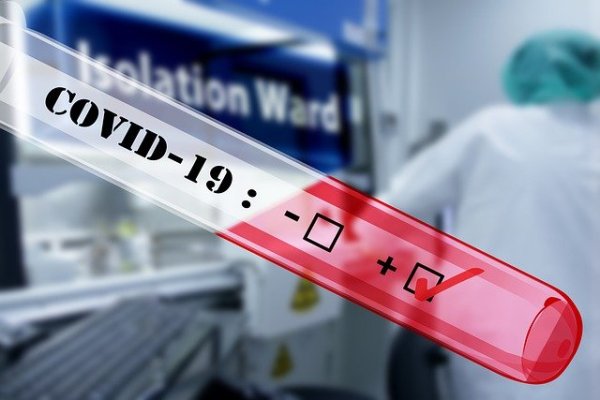
Anand Shah, MD, the Deputy Commissioner for Medical and Scientific Affairs at the Food and Drug Agency (FDA), said yesterday that a new test for COVID-19 called SalivaDirect “really has potential” to make testing more convenient and faster. He was speaking at a virtual press conference held Thursday morning and reported in Medpage Today this morning.
SalivaDirect, as its name implies, uses a sample of saliva from a person to test for the presence of RNA from the SARS-COV-2 virus. It requires only a sterile sample container. No ribonucleic acid (RNA) extraction step is needed to pull the virus’s genetic material from the sample. The test was created by the Yale School of Public Health in their Department of Epidemiology of Microbial Diseases. An Emergency Use Authorization was granted on August 15 by the FDA, and this news release describes the test.
The news release quotes Assistant Secretary for Health and COVID-19 Testing Coordinator Admiral Brett P. Giroir, M.D. as saying the test is an “innovation game changer that will reduce the demand for scarce testing resources.”
The test is not quite as sensitive as the currently standard nasopharyngeal swab, but it gives a big increase in convenience and reduced patient “discomfort” (gagging.) There is less time and fewer materials needed– due to skipping the RNA extraction step and the preservative in the vial. The test is inexpensive, with costs for all supplies running $1-$5. It is also validated for use with reagents obtained from multiple suppliers, making supply shortages less of a problem.
The test is described fully in this preprint published on MedRxiv on August 4. The article states that its detection limit is 6-12 SARS-CoV-2 copies per microliter. In direct comparison with the the Centers for Disease Control’s (CDC) test with saliva, it realized 93% sensitivity, missing 3 of 41 samples that tested positive otherwise– all three had extremely low levels of virus.
When compared with nasopharyngeal swabs tested from the same patient, saliva specimens tested with SalivaDirect showed 94% sensitivity and 100% specificity. A few specimens that tested negative with nasopharyngeal swabs were positive with saliva specimens, and this was confirmed with other tests– indicating that the nasopharyngeal swabs had missed a few truly positive patients.
The SalivaDirect test should be useful for outpatient testing and for asymptomatic people. It is thought to be less useful for sick patients in which blood and mucus can interfere with the test procedure due to the lack of RNA extraction.
If this test can be used as described for surveillance in asymptomatic people (a major shortcoming of the currently standard test, with its intrusive nature and the shortages of reagents) then it will surely be a big help in ramping up the number of examinations performed. Serial testing of people without symptoms is very important for making it possible to open up schools in particular.

